5 Looks at What Coffee Actually Does to Your Body (Beyond the Energy Boost)
Quick Answer: Beyond the energy lift, coffee measurably affects iron absorption (blocks it if timed with meals), cortisol release (adds to your natural morning spike), sleep architecture (blocks adenosine for hours), and anxiety sensitivity (dose-dependent). None of these are reasons to quit — they’re reasons to time your cup better.
Coffee’s energy effect gets all the attention, but four other things are happening in the background of every cup — and knowing them changes when and how you drink it, not whether you drink it.

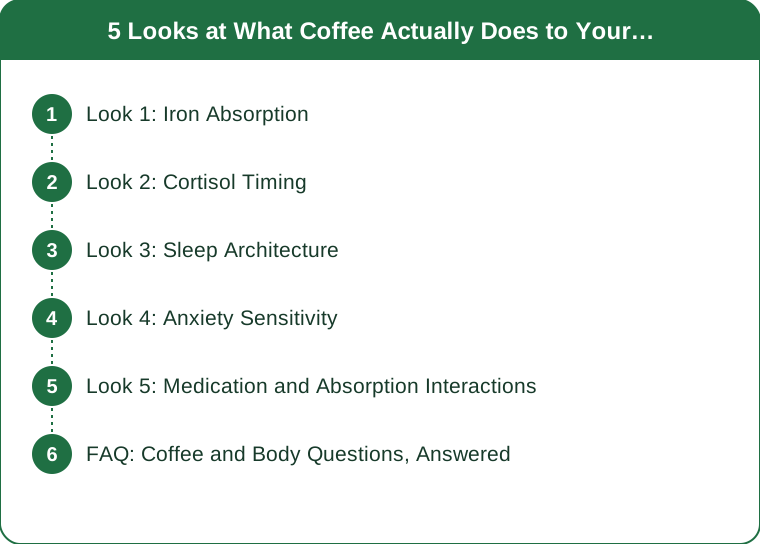
Look 1: Iron Absorption
Coffee’s tannins can block up to 60% of non-heme iron absorption when consumed within an hour of an iron-rich meal. The fix isn’t cutting coffee — it’s a simple 1-hour buffer between your iron-containing meal and your cup, which preserves most of the absorption.
Look 2: Cortisol Timing
Your body already releases a natural cortisol spike within 30-45 minutes of waking. Coffee stacks on top of that spike rather than replacing it, which is why coffee right at wake-up can feel jittery for some people. Waiting 60-90 minutes after waking lets the natural spike settle first, often producing a smoother caffeine effect.
Look 3: Sleep Architecture
Caffeine blocks adenosine, the molecule that builds your sleep pressure through the day — and it has a 5-6 hour half-life, meaning a 3pm coffee still has real caffeine on board at 9pm. This affects how easily you fall asleep and how deep that sleep is, even if you don’t consciously feel wired at bedtime.

Look 4: Anxiety Sensitivity
Caffeine’s anxiety effect is dose- and person-dependent — the same 200mg that feels energizing to one person tips another into a racing heart and edge-of-panic feeling. If afternoon jitters or a racing heart show up reliably after coffee, that’s real signal to reduce dose, not just something to push through.
Look 5: Medication and Absorption Interactions
Coffee can also interact with the timing of certain medications and supplements — thyroid medication, for instance, is commonly advised to be taken at least 30-60 minutes before coffee for full absorption. Checking your specific medications against caffeine timing is worth a quick conversation with a pharmacist.
FAQ: Coffee and Body Questions, Answered
Should I drink coffee on an empty stomach?
It’s generally fine for most people, though those prone to acid reflux or morning nausea often do better with coffee after some food.
How long before bed should I stop drinking coffee?
A common guideline is 8-10 hours before bedtime, given caffeine’s long half-life — earlier if you’re sensitive.
Does decaf avoid all these effects?
Mostly, since decaf has 95-97% less caffeine, though it still carries the tannins that affect iron absorption. This is general information, not medical advice.
TL;DR:
- Coffee blocks iron absorption if had within an hour of an iron-rich meal — leave a buffer
- It stacks on top of your natural cortisol spike — waiting 60-90 min after waking smooths it out
- Its 5-6 hour half-life affects sleep even when you don’t feel wired
- Anxiety sensitivity is real and dose-dependent — reduce if jitters show up reliably
None of this means quitting coffee — it means timing it around what your body’s already doing.
Keep Reading
This article is for general informational purposes only and is not medical advice. Always consult a qualified health professional for guidance specific to you.