5 Coffee Brewing Methods, and How Much Caffeine Each One Actually Delivers
Quick Answer: Brewing method significantly changes caffeine content even with identical beans — drip coffee and French press tend to deliver more caffeine per cup than espresso-based drinks per serving, since serving size and extraction time both matter, not just the brewing intensity implied by the method’s reputation.
You assumed espresso was the strongest option and switched your daily brew accordingly. Per typical serving size, several everyday brewing methods actually deliver more total caffeine than a single shot of espresso.
Look 1: Drip coffee
A standard 8oz cup of drip coffee typically contains around 95-165mg of caffeine, varying by bean and brew strength. Because the typical serving size is large relative to other methods, drip coffee often delivers more total caffeine per cup than people expect from a method with a mild flavor reputation.
Look 2: French press
French press uses a longer steep time and coarser grind, generally landing in a similar 80-135mg range per 8oz cup as drip, sometimes slightly higher due to the immersion brewing method extracting more compounds overall, including caffeine, over its longer contact time.
Look 3: Espresso
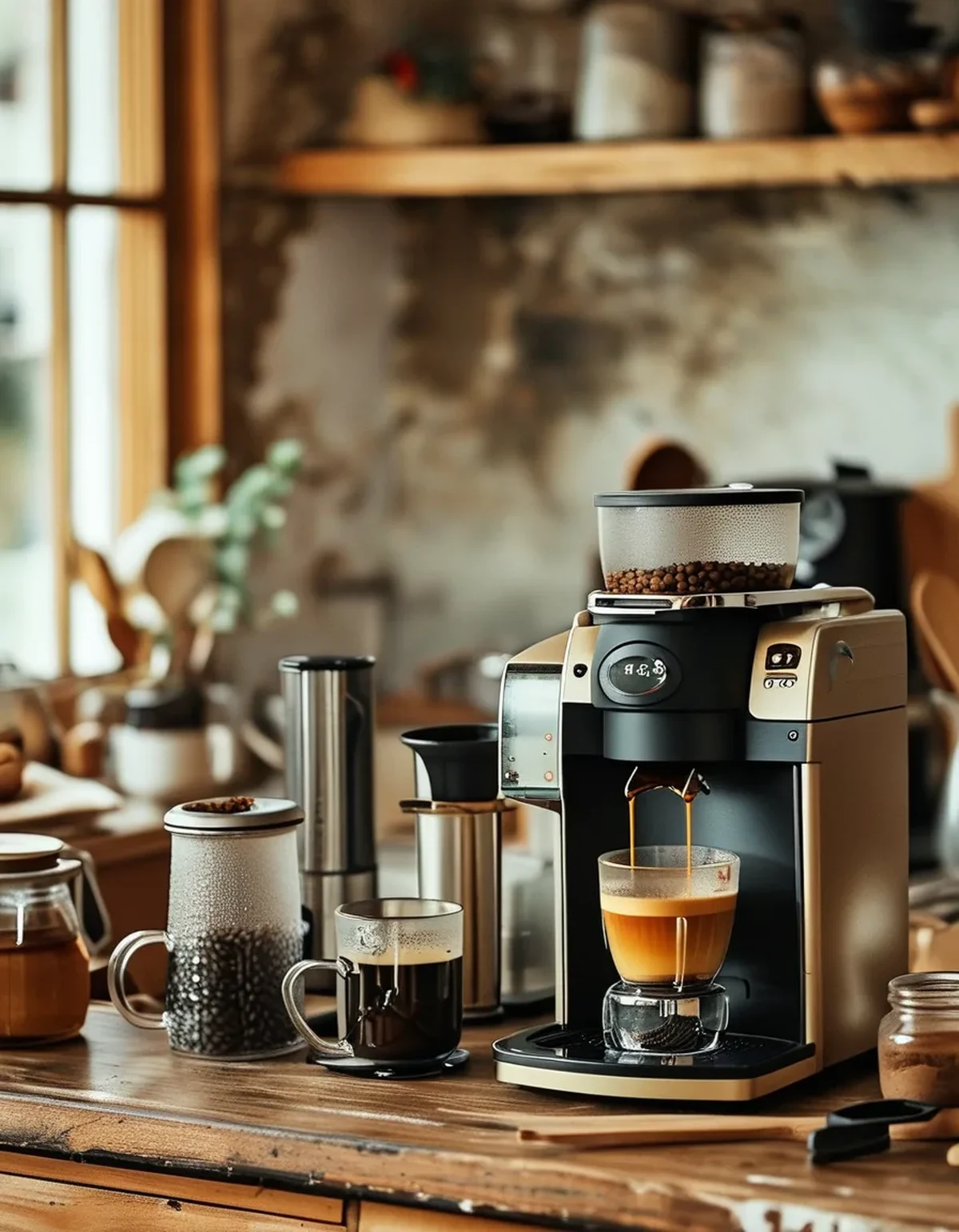
A single espresso shot (about 1oz) contains roughly 63mg of caffeine — genuinely concentrated per ounce, but the small serving size means a single shot often delivers less total caffeine than a full cup of drip or French press, even though it tastes far more intense.
Look 4: Cold brew
Cold brew concentrate, before dilution, tends to be the highest-caffeine method per ounce due to its long steep time (often 12-24 hours), commonly landing at 150-300mg per serving depending on concentration — genuinely the strongest option on this list when compared at typical serving strength.
Look 5: Pour-over
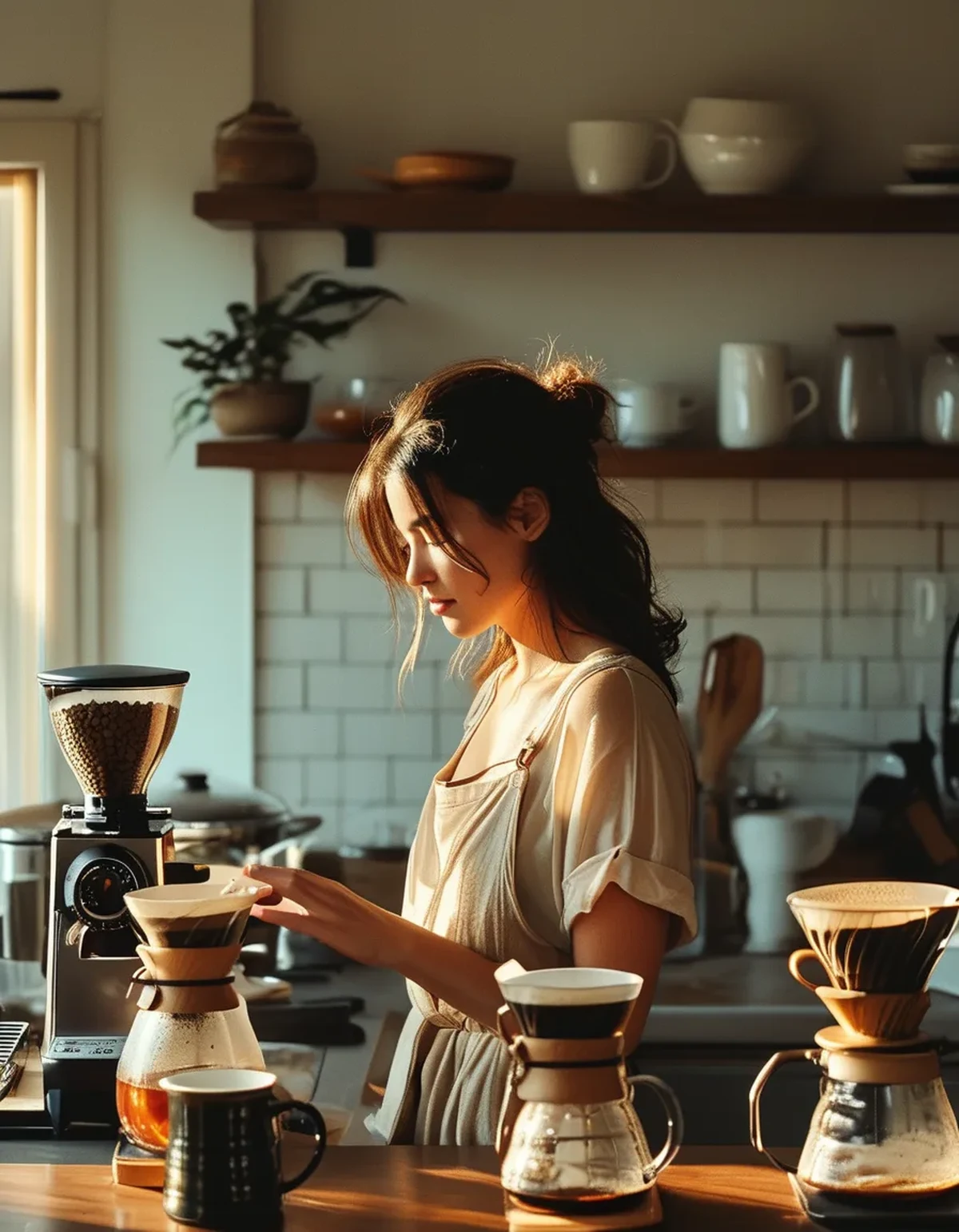
Similar to drip in caffeine range (roughly 80-150mg per 8oz cup), pour-over’s caffeine content is closely tied to grind size and pour speed — a finer grind and slower pour generally extracts more caffeine, giving more manual control over strength than automatic drip.
FAQ: Coffee Brewing Method Caffeine Questions, Answered
Is cold brew always stronger than hot coffee?
Cold brew concentrate is typically stronger before dilution, but many cafes dilute it with water or milk to a strength comparable to regular drip coffee, so the served strength varies by preparation.
Does roast level (dark vs light) affect caffeine more than brew method?
Brew method and serving size generally have a bigger effect than roast level — despite the common assumption, light roast beans actually contain slightly more caffeine by weight than dark roast, since less caffeine breaks down during a shorter roasting process.
What’s the easiest way to actually reduce caffeine without giving up coffee?
Switching from cold brew or French press to a smaller-serving method like espresso, or diluting cold brew further, reduces total caffeine intake more effectively than just choosing a ‘lighter tasting’ coffee.
TL;DR:
- Serving size matters as much as brewing intensity for total caffeine per cup
- Cold brew concentrate is typically the strongest method per serving
- A single espresso shot often has less total caffeine than a full cup of drip
- Light roast beans contain slightly more caffeine by weight than dark roast
The brewing method you choose changes your actual caffeine intake more than most people expect from flavor intensity alone.
Keep Reading
This article is for general informational purposes only and is not medical advice. Always consult a qualified health professional for guidance specific to you.